Why Most Engineers Get Code Reviews Backwards
After fifteen years of reviewing code and having mine reviewed, I’ve watched countless engineers treat code reviews like a necessary evil. They submit PRs with the enthusiasm of filing taxes and review others’ work like they’re proofreading a grocery list. This is career malpractice disguised as process compliance.
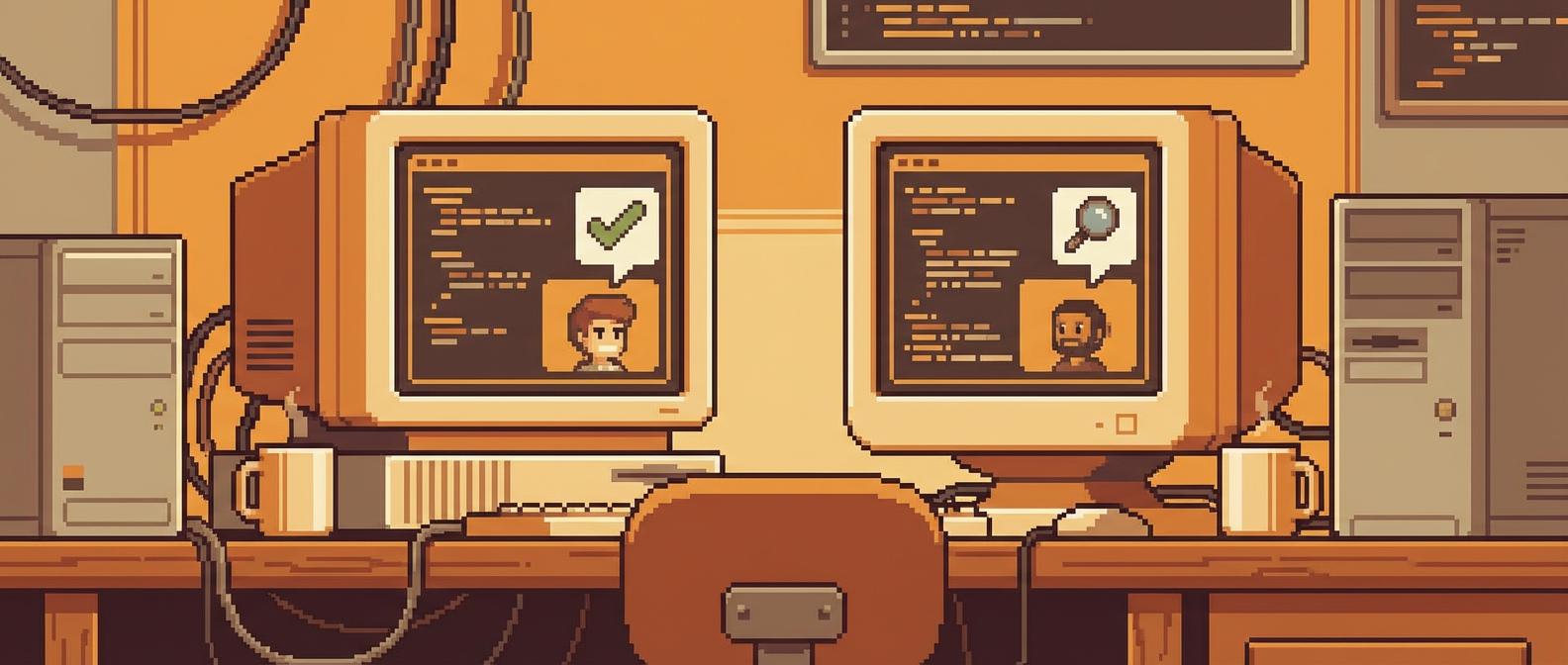
The engineers who advance fastest treat code reviews as their personal training ground. They understand something the rest miss: every review is a learning opportunity wrapped in business necessity. When you review someone’s code, you’re not just catching bugs. You’re absorbing patterns, seeing how others solve problems, and building the kind of technical judgment that separates senior engineers from code monkeys.
The difference between a mediocre engineer and a great one often comes down to pattern recognition. Great engineers have seen enough solutions to know what works at scale, what fails spectacularly, and what looks clever but creates technical debt. Code reviews are your fast track to building this database of experience without having to personally write every terrible implementation.

The Review Skills That Actually Matter for Your Career
Forget the pedantic comments about variable naming or missing semicolons. Those are training wheels for junior engineers. The review skills that advance careers focus on architecture, maintainability, and business impact. When reviewing code, ask yourself: Will this approach scale? Does it align with existing patterns? Are we solving the right problem?
The most valuable reviewers I know have what I call “future sight.” They can look at a piece of code and predict where it will break six months from now. This comes from understanding not just what the code does, but how it fits into the larger system. They spot the seemingly innocent change that will cascade into performance problems or the abstraction that will make future features impossible to implement cleanly.
Learning to explain technical concerns clearly is equally important. The engineer who can explain why a particular approach will cause problems wins influence. Your comments should tell a story: “This pattern worked in our payments service until we hit 10K transactions per hour, then the database connections started timing out.” Specifics build credibility.
How to Submit PRs That Don’t Make People Want to Quit
I’ve seen PRs that were architectural masterpieces get rejected because the author couldn’t explain their thinking. The code was brilliant, but it looked like chaos to reviewers. Your PR description is not documentation for the code. It’s documentation for your thought process. Explain the problem you’re solving, the alternatives you considered, and why you chose this approach.
The best PR authors anticipate reviewer concerns. They add comments explaining the weird-looking but necessary parts. They break complex changes into logical commits that tell the story of the solution. They include screenshots for UI changes and explain any performance implications. This isn’t hand-holding. It’s respect for your reviewer’s time and cognitive load.
Size matters more than you think. A 2,000-line PR gets a rubber stamp review because nobody has the mental energy to understand that much context. A well-crafted 200-line PR gets thoughtful feedback that makes both the code and the author better. If your change is necessarily large, explain how to review it effectively. Point reviewers to the key files and the order that makes sense.
Building Review Culture That Accelerates Teams
The teams that ship fastest have review cultures built on psychological safety and shared learning. Nobody fears submitting a PR because they might look stupid. Everyone understands that finding issues early is cheaper than debugging production outages. The goal isn’t perfect code. It’s code that the team can collectively maintain and extend.
Set review standards that actually matter. Document what requires careful review (authentication, payment processing, performance-critical paths) versus what can be rubber-stamped (configuration changes, obvious bug fixes). Create fast paths for urgent fixes while maintaining quality for everything else. Time-box reviews so they don’t become endless perfectionism spirals.
The most effective teams I’ve worked with treat code reviews as pair programming at scale. Senior engineers use reviews to transfer knowledge to junior team members. They explain not just what to change, but why. Junior engineers ask questions that reveal gaps in documentation or assumptions that need challenging. Everyone learns, and the codebase improves.
The Long Game: Reviews as Career Intelligence
Smart engineers use code reviews to build internal visibility and show technical leadership. When you consistently provide thoughtful feedback that prevents bugs or improves performance, people notice. When your PRs are models of clarity and quality, you become the person others want on their team. This soft influence often matters more than technical skill alone.
Pay attention to the patterns in your organization’s code reviews. Which approaches get approved quickly? Which ones spark lengthy debates? Understanding these patterns gives you insight into the company’s technical values and decision-making processes. You’ll learn to navigate technical discussions more effectively and position your ideas for success.
Track the outcomes of your review feedback over time. Did that performance concern you raised actually cause problems? Was that architectural suggestion helpful or overthinking? This feedback loop helps calibrate your technical judgment and builds confidence in your opinions. The engineers who advance fastest are those who can predict what will actually matter six months from now.
Code reviews reveal more about engineering culture than any documentation or onboarding process. They show you how decisions get made, what the team values, and where the technical debt lives. Use this intelligence wisely. What patterns do you notice in your team’s review process? What review practices have had the biggest impact on your technical growth?